

Understanding New Construction Window Frame Materials
Once you’ve selected the style of windows that fits your home, the next decision is choosing the frame material. Window frames play an important role in a window’s appearance, maintenance requirements, durability, and energy performance.
Each material has its own characteristics, and no single option is the right choice for every home or project. This guide compares the most common frame materials used in new construction windows to help homeowners better understand their options.
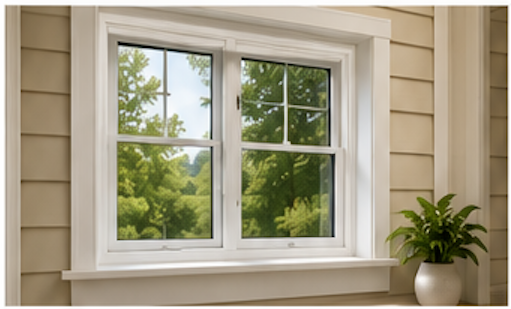
Vinyl Windows
Vinyl Windows are made from PVC (polyvinyl chloride), a durable plastic material commonly used throughout residential construction. They are one of the most widely installed window frame materials in North America.
Common Applications
New residential construction
Production homes
Remodels
Budget-conscious projects
Advantages
Low maintenance
Resistant to moisture and rot
Good thermal performance
Available in a variety of colors and styles
Considerations
Generally cannot be repainted
Thermal expansion is greater than some other materials
Appearance and quality vary between manufacturers
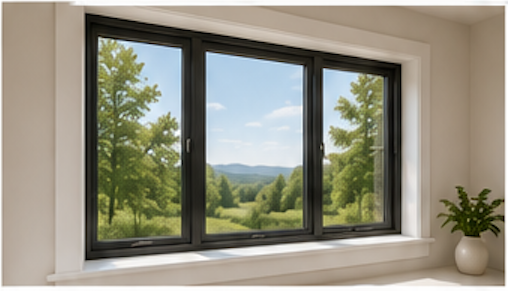
Fiberglass Windows
Fiberglass window frames are made from glass fibers and resin, creating a strong and dimensionally stable material.
Common Applications
Custom homes
Energy-efficient homes
Contemporary architecture
Premium residential construction
Advantages
Excellent strength
Low thermal expansion
Can often be painted
Resistant to warping, rot, and corrosion
Low maintenance
Considerations
Higher initial cost than many vinyl products
Fewer finish options may be available depending on the manufacturer
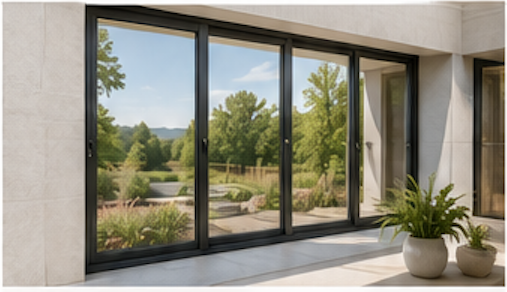
Aluminum Windows
Aluminum windows are known for their strength and slim frame profiles, making them popular in many modern architectural designs. Many current products use thermally broken frames to improve energy performance.
Common Applications
Contemporary homes
Large window openings
Modern architectural designs
Advantages
Strong and durable
Narrow frame profiles maximize glass area
Low maintenance
Well suited for large openings
Considerations
Energy performance varies depending on frame design
Coastal environments may require additional attention to finish selection and maintenance
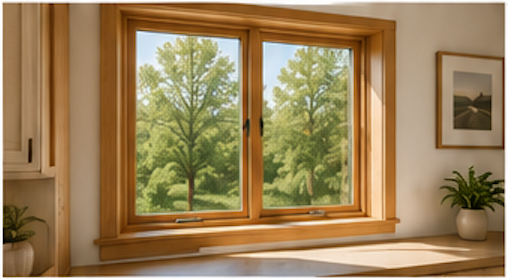
Wood Windows
Wood has been used for window frames for generations and continues to be valued for its natural appearance and traditional craftsmanship.
Common Applications
Traditional homes
Historic renovations
Custom homes
Luxury residential construction
Advantages
Warm, natural appearance
Can be painted or stained
Excellent insulating properties
Easily repaired or refinished in many cases
Considerations
Requires regular maintenance
May be susceptible to moisture damage if not properly maintained
Typically higher initial cost than vinyl
Aluminum-Clad Wood Windows
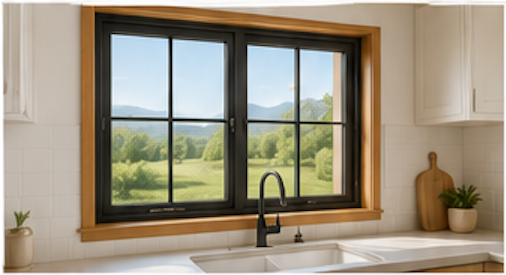
Aluminum-clad wood windows combine a wood interior with an aluminum exterior. The wood provides a finished appearance indoors, while the aluminum cladding helps protect the exterior from weather exposure.
Common applications
High-end custom homes
Luxury residential construction
Traditional and contemporary architecture
Advantages
Natural wood interior
Durable exterior finish
Reduced exterior maintenance compared to all-wood windows
Available in many architectural styles
Considerations
Higher initial investment
Interior wood surfaces may still require maintenance depending on the finish
Composite Windows
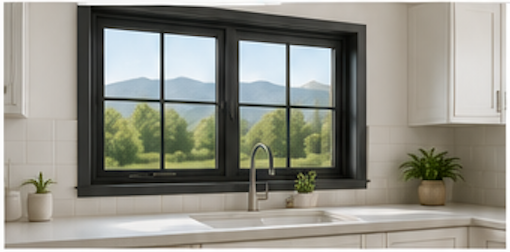
Composite windows are manufactured using engineered materials that combine the benefits of multiple components. Different manufacturers use different proprietary formulas and construction methods.
Common Applications
Energy-efficient homes
Custom residential construction
Homeowners seeking an alternative to vinyl or wood
Advantages
Good dimensional stability
Low maintenance
Strong, durable construction
Often designed to provide good thermal performance
Considerations
Material composition varies by manufacturer
Appearance and available finishes differ between product lines
Each frame material offers a different balance of appearance, maintenance, durability, and cost. The right choice depends on the goals of the project, architectural style, maintenance preferences, and budget.
Rather than focusing on finding a single “best” material, homeowners are often better served by understanding the strengths and trade-offs of each option and selecting the one that best aligns with their priorities.
Choosing the Right Windows for Your Project
Window selection is just one of the many decisions that go into planning a successful new build or home renovation. Frame material, window style, energy performance, architectural design, budget, and long-term maintenance should all be considered together to determine what makes the most sense for your home.
At VIP General Contractors Inc, we help homeowners navigate these decisions as part of the overall design and construction process. From coordinating window selections with your home's architectural style to considering how materials, finishes, and other design elements work together, our team is here to help you make informed choices throughout your project.
Whether you're building a custom home, planning an addition, or completing a whole-home renovation, we'll guide you from the early planning stages through construction and final completion.
Planning a project? Contact VIP General Contractors Inc today to schedule a consultation and start bringing your vision to life.